

Application: Apply heat-conducting and heat-insulating liquid coatings
What this application is about
The right solution starts with the entire process rather than an individual gun. Spray pattern, nozzle design, material pressure, delivery, component movement and cleaning must be considered together to keep the application stable and repeatable.
Purpose and benefits of the coating
The application mainly concerns metal, plastic, ceramics, electronic assemblies and composites. The required effect occurs only when coating material, substrate, layer thickness and subsequent drying or curing fit together. The spraying process must therefore be adapted to the concrete material system and the real production conditions.
Alongside surface quality, material consumption, cleaning effort, system availability and reliable repeatability also matter. A sound technical solution therefore combines controlled atomisation with a stable material supply that is easy to regulate.
What matters with the application
Even small fluctuations in material pressure, viscosity, distance or movement control can change the coating visibly or functionally. Typical requirements include:
- uniform defined layer thickness for reproducible thermal properties
- Processing of mineral or metal filled media
- Sedimentation and abrasiveness
- Covering edges and complex geometries
- keeping electrical contacts and sealing surfaces free of coating
- Coordination of drying or curing
Distribute thermal functional layers evenly
Heat-conducting or heat-insulating coatings often contain functional fillers. These can increase the viscosity, sedimentate and act abrasively. The thermal effect depends on material, layer thickness, pore clearance and connection to the substrate.
The spraying technique must produce as uniform a surface as possible, without air inclusions or highly fluctuating layer areas. Electrical insulation and thermal function shall be validated separately.
- Stable distribution of functional fillers
- even layer thickness
- Prevention of pores and defects
- Edge and partial surface coating
- coordinated drying or curing
Spraying technology and material supply from Krautzberger
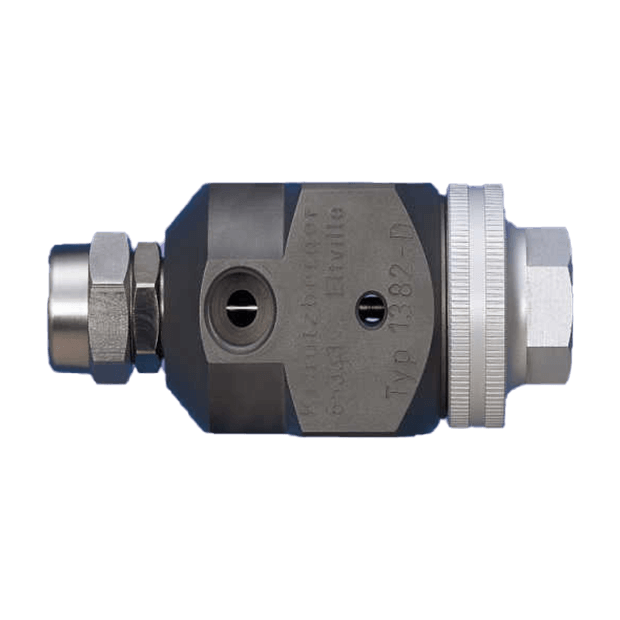
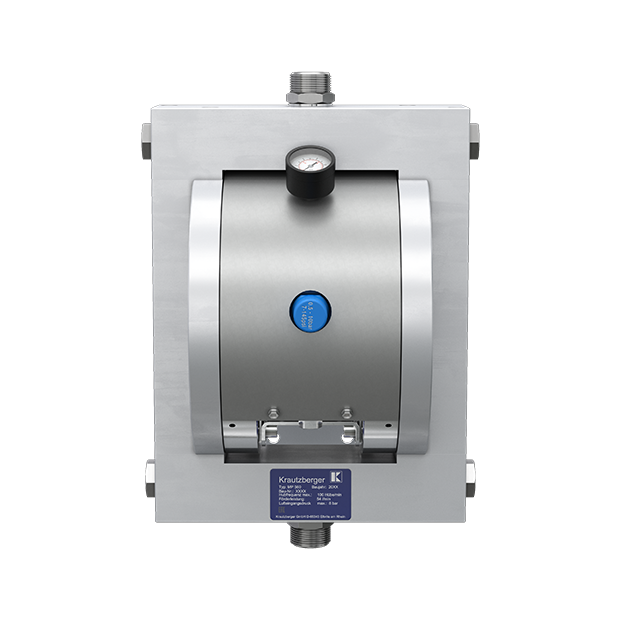
Krautzberger treats application and material supply as a connected system. Depending on the task, manual and automatic spray guns, suitable air and material nozzles, material pressure tanks, diaphragm pumps, pump and lifting stations, and material pressure regulators can be combined.
In automated processes, spray guns can be integrated into mounts, lifting devices, axes or robots. Material changeover valves and flushing equipment support applications with several colours or media. The specific selection depends on viscosity, solids content, application quantity, cycle time and component geometry.
For fine surface finishes, various XLINE nozzle combinations and spray patterns are available. With highly viscous, abrasive or sedimenting media, sufficiently large flow cross-sections, suitable material combinations, agitators and pressure-stable delivery become more important.
The focus is on spray guns with suitable material cross-sections, wear-resistant nozzles, agitators, pumps or pressure vessels as well as precise material pressure control. The technically and economically suitable combination is selected for the specific medium, components and required production output.
Typical applications
The application is used in different industries and component groups. Typical examples are:
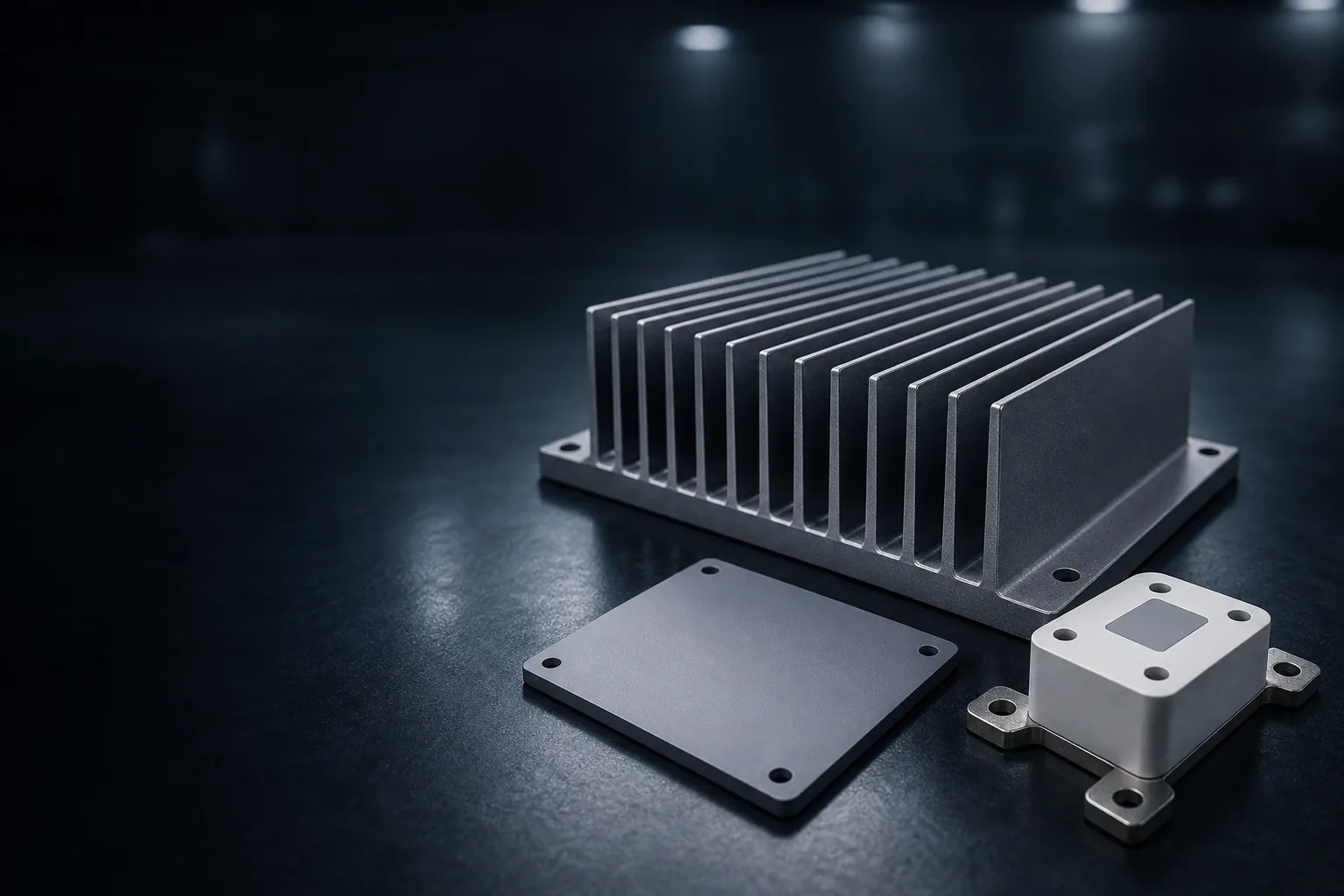
- Electronic housings and cooling components
- Battery modules and battery housings
- Sensors and power electronics
- Machinery and process components
- thermally loaded covers
- Local heat barriers or heat distribution layers
Process integration and automation
The application can be made on a flat or local basis. For automated components, layer mass, web overlap and masking are documented so that the thermal function remains reproducible.
In addition, component feed, extraction or ventilation, cleaning, media change and accessibility for maintenance work must be taken into account during the system integration. This keeps the process stable not only in the pattern run, but also in everyday production.
Benefits for your production
- defined thermal function by uniform layer
- targeted application to selected areas of the component
- Processing of filled liquid media
- reduced scrap due to stable dosing
- Flexible automation for different geometries
- coordinated stirring, conveying and spraying technology
Process design at the Krautzberger technical centre
Liquid media and coating materials with similar names can differ considerably in viscosity, solids content, solvent base, wetting and drying. A reliable choice of spray gun, nozzle and material supply should therefore be made using the original material and a representative component.
The thermal performance shall be tested on the customer's side. In the technical test centre, conveyorability, sedimentation, spraying pattern, layer distribution and cleanability are evaluated.
On this basis, the spray pattern, material quantity, pressure, distance, movement and cleaning sequence can be defined. The result is an application solution suited to the medium, the geometry and the intended production process.
Related products
All products

Find the right application solution together
Looking for a spray gun, an automatic spray gun or a complete material supply for this process? Krautzberger helps you select and design suitable spray technology, nozzle configurations, delivery and regulation.
Contact Krautzberger to discuss your medium, component, production volume and desired result. Together, we assess how the process can be implemented safely and economically.
Industries for this application
Whether a component must dissipate heat or provide insulation changes the requirements for material and layer thickness. Electronic assemblies and components for aerospace or defence require continuous, defined coverage.


